Hair Treatment (PRP) Common Myths and Facts You Should Know
- biarabicarabic
- Apr 22
- 3 min read

Hair loss is something many people experience quietly, often surrounded by confusion and misinformation. As Hair treatment (PRP) in Dubai(علاج الشعر (PRP)في دبي)becomes more popular, so do the myths about how it works, how effective it is, and whether it is truly safe.
If you’re considering PRP therapy for hair growth, it’s important to separate fact from fiction. Understanding the truth helps you make better decisions and sets realistic expectations for natural hair regrowth.
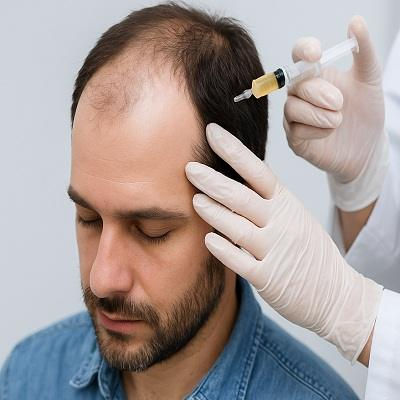
What Is Hair Treatment (PRP)?
Hair Treatment (PRP), or Platelet-Rich Plasma therapy, is a non-surgical procedure that uses your own blood to stimulate hair follicles. The blood is processed to concentrate platelets, which are then injected into the scalp.
These platelets release growth factors that help repair tissue, improve circulation, and encourage hair regrowth. Because it is based on the body’s natural healing system, PRP is often considered a safe and natural hair restoration method.
Why Myths About PRP Exist?
With rising popularity comes misinformation. Many people hear mixed opinions from social media, friends, or unverified sources. Since PRP is not a “one-size-fits-all” solution, expectations can vary, leading to confusion.
That’s why understanding real facts about PRP hair treatment is essential before starting.
PRP Gives Instant Hair Growth:
Many believe PRP will produce immediate visible hair regrowth after one session.
PRP works gradually. It stimulates natural hair cycles, meaning results take time—usually several months.
Real Expectation:
Reduced hair shedding in early weeks
Improved thickness over time
Visible regrowth after consistent sessions
Patience is key when it comes to hair regrowth therapy.
PRP Works for Everyone:
Some assume PRP is effective for all types of hair loss.
PRP works best for individuals with active hair follicles, especially in early-stage hair thinning.
Best Candidates Include:
People with mild to moderate hair loss
Individuals with thinning but not complete baldness
Those experiencing pattern hair loss
For advanced baldness, results may be limited.
PRP Is Painful and Risky:
Many fear that PRP is painful or unsafe.
PRP is generally safe because it uses your own blood. Discomfort is mild and temporary.
What to Expect:
Slight pressure during injections
Mild redness afterward
Quick recovery with minimal downtime
This makes it a widely accepted non-surgical hair loss treatment.
PRP Works Overnight:
Some expect visible results immediately after treatment.
PRP is a biological process, not an instant cosmetic fix.
Real Timeline:
1–2 months: Reduced hair shedding
2–4 months: Improved hair strength
4–6 months: Visible regrowth
Natural results take time but often look more authentic.
PRP Has No Scientific Support:
There is no scientific backing for PRP.
PRP is supported by multiple studies showing improved hair density and reduced shedding in suitable candidates.
While results vary, PRP therapy for hair growth is widely used in regenerative medicine due to its biological foundation.
Who Should Consider PRP?
PRP is best suited for individuals who:
Are experiencing early hair thinning
Want a non-surgical solution
Prefer natural hair regrowth methods
Still have active hair follicles
It may not be ideal for advanced baldness or certain medical conditions.
Frequently Asked Questions (FAQs):
Is PRP really effective for hair loss?
Yes, especially in early-stage hair thinning where follicles are still active.
How many sessions are required?
Most people need 3–4 initial sessions followed by maintenance treatments.
Is PRP safe?
Yes, since it uses your own blood, it has a low risk of complications.
Does PRP cause side effects?
Only mild and temporary effects like redness or swelling.
How long do PRP results last?
Results can last several months to a year with proper maintenance.
Final Thoughts:
Understanding the common myths and facts about Hair treatment (PRP)(علاج الشعر (PRP) ) helps clear confusion and sets realistic expectations. PRP is not a miracle cure, but it is a science-backed, natural, and effective hair restoration option for many people.
When used correctly and consistently, it can support healthier hair, reduce shedding, and improve density over time.
If you are exploring a non-surgical hair loss treatment, knowing the truth about PRP can help you make a confident and informed decision—without the noise of myths or misinformation.


Comments